Laurence Biro's reflections on Life, Universe and Everything
Search
Primary Menu
Skip to content
Search for:
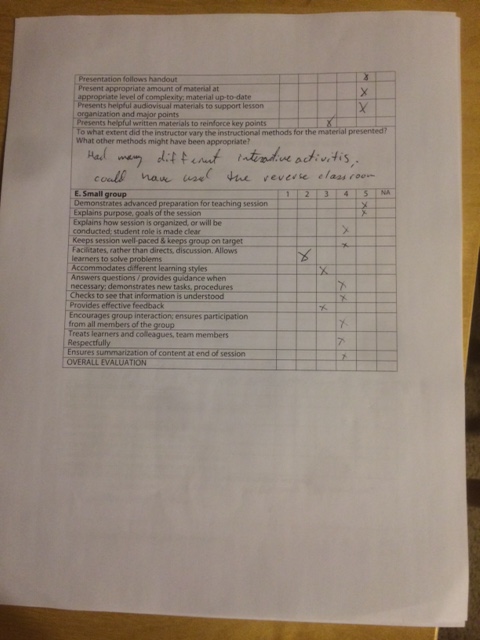
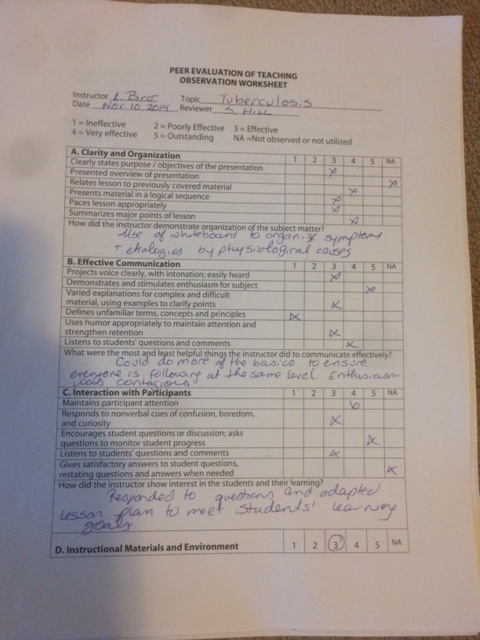
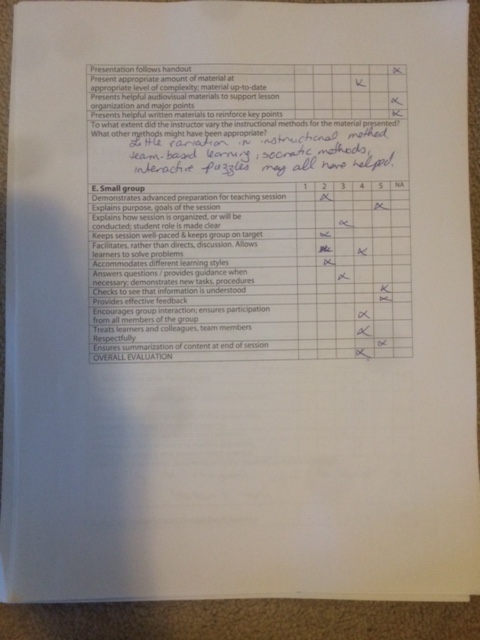
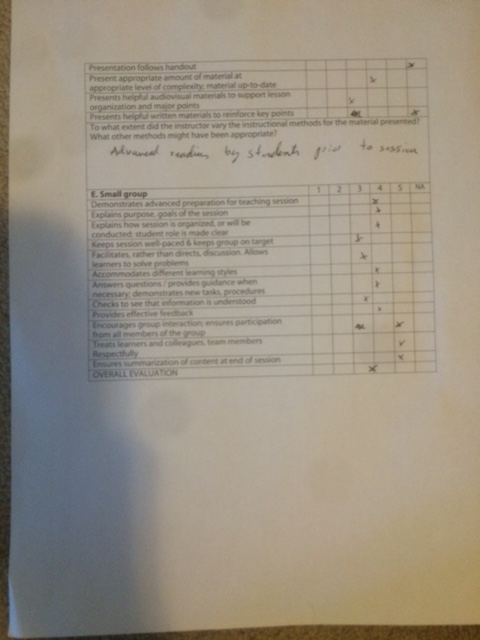
Video Clip Feedback
Share this:
Tweet
Like
Loading...
Leave a comment
Cancel reply
Δ
42 what else?
Welcome to the best good enough portfolio ever
Reflecting 101
Communication Skills
1. Initiating the Interview
1.1. Establishing the Initial Rapport
1.1.1. Greets patient and obtains patient’s name
1.1.2. Introduces self, role and scope of the interview
1.1.3. Demonstrates respect and interest
1.2. Identifying the Reasons for the Consultation
1.2.1. Identifies the patient’s problems with appropriate opening question
1.2.2. Listens Attentively to Patient’s Opening Statement
1.2.3. Confirms Problem List and Screens for Further Problems
1.2.4. Negotiates Agenda
2. Gathering Information
2.1. Exploration of the Patient’s Problem
2.1.1. Encourage your patient to tell their narrative
2.1.2. Use open and closed questioning techniques
2.1.3. Listen attentively
2.1.4. Facilitates patients’ responses
2.1.5. Pick up on your patient’s cues
2.1.6. Clarify vague patient statements
2.1.7. Internal Summary
2.1.8. Uses concise, easily understood questions and comments
2.1.9. Establishes dates and sequence of events
2.2. Additional Skills for Understanding the Patient’s Perspective
2.2.1. Actively explores ideas, concerns, expectations, effects
2.2.2. Encourages patients to express feelings
3. Providing Structure to the Interview
3.1. Making Organization Overt
3.1.1. Internal Summarizing
3.1.2. Signposting
3.2. Attending to Flow
3.2.1. Sequencing
3.2.2. Timing
4. BUILDING THE RELATIONSHIP
4.1. Use appropriate Non-Verbal Communication
4.1.1. Demonstrate appropriate non-verbal behavior & acknowledge your patient’s non-verbal cues
4.1.2. Use of Notes
4.2. Developing Rapport
4.2.1. Acceptance
4.2.2. Empathy
4.2.3. Support & Sensitivity
4.3. Involving your patient
4.3.1. Sharing of Thoughts
4.3.2 Providing Rationale
5. Explanation and Planning
5.1 Providing the correct amount and type of information
5.2 Aiding accurate recall and understanding
5.3 Achieving a shared understanding: incorporating your patient’s perspective
5.4 Planning: shared decision-making
5.5 Options for explanation and planning
6. Closing the Session
6.1. Forward Planning
6.1.1. Contracting
6.1.2. Safety-Netting
6.2. Ensuring Appropriate Point of Closure
Clinical Approaches
Headache
Tension Headache
Migraine
Cluster Headache
Brain Tumor
Subarachnoid Hemorrhage
Polymyalgia Rheumatica and Giant Cell Arteritis
Vertigo
Neurological Weakness
Stroke
Bell’s Palsy
Peripheral Nerve Entrapment (upper limb)
Multiple Sclerosis
Guillain-Barré Syndrome
Neck Masses
Hypothyroidism
Hyperthyroidism
Hodgkin Lymphoma
Hemoptysis
Tuberculosis
Lung Cancer
DVT/PE
Community Acquired Pneumonia
Dyspnea
Heart failure
COPD
Asthma
DVT/PE
Community Acquired Pneumonia
Influenza
Chest Pain
Coronary Artery Disease
Pericarditis
Cardiac Tamponade
Atrial Fibrillation
Thoracic Aortic Dissection
DVT/PE
Gastroesophageal Reflux Disease
Costochondritis
Palpitations
Atrial Fibrillation
Hyperthyroidism
Breast Lump
Breast Cancer Screening
Mastitis
Abdominal Pain
Appendicitis
Gallbladder Disease
Peptic Ulcer Disease
Bowel Obstruction
Ectopic Pregnancy
Pelvic Inflammatory Disease
Gastrointestinal Bleeding
Diarrhea
Traveler’s Diarrhea
Food Poisoning
Clostridium difficile
Ulcerative Colitis
Crohn’s Disease
Irritable Bowel Syndrome
Back Pain
Lumbar Disc Disease
Spinal Stenosis
Cauda Equina Syndrome
Peripheral Vascular Disease
Abnormal Uterine Bleeding
Endometrial Cancer
Ovarian Cancer
Cervical Cancer
Endometriosis
Leiomyoma
Premenstrual Syndrome
Pregnancy
Pregnancy Prevention in Adolescents
First Trimester Bleeding
Second Trimester Pregnancy Loss
Late Pregnancy Bleeding
Postpartum Hemorrhage
Nausea and Vomiting of Pregnancy
Urological Complaints
Prostate Cancer
Benign Prostatic Hyperplasia
Epididymitis
Testicular Torsion
Erectile Dysfunction
Renal Colic
Leg Pain
Peripheral Vascular Disease
Acute Limb Ischemia
Venous ulcers
DVT/PE
Compartment Syndrome
Spinal Stenosis
Lumbar Disc Disease
Joint Pain
Septic Arthritis
Osteoarthritis
Rheumatoid Arthritis
Gout
Meniscus Tear
Lyme Disease
Seronegative Arthropathies
Lupus
INTAPT Reflections
Introduction and Teaching Philosphy
Reflection on Learning Contract
Learning Contract
Reflection on Teaching Logs
Cholecystectomies and Stuff
Another night in the OR
ASCM1 – Communication & History #4
ASCM1 – Occupational Health / Portfolio
School visit presentations!
Portfolio – Communicator Role
Reflection on Teaching Feedback
Reflection on Video Clip Teachng Session
Video Clip Feedback
Reflection on Seminar Group Work and Charter
Team Charter
Reflection on Seminar Process and Feedback
First Draft Workshop Design
Updated Outline
Seminar Abstract
Interprofesssional Skit
Interprofessional Teaching Seminar Feedback
Reflection of Workshop Assessment Tool and Participants Learning Outcomes
Workshop Participants Learning Assessments
Reflection on Book Reviews
The Reflective Practitioner, How Professionals Think in Action
Educating the Reflective Practitioner
Patient-Centred Medicine Transforming the Clinicial Method (Third Edition)
Concluding Remarks on the Academic Year
Physician Assisted Dying Policy Overview
OR Schedule 2019-2020
Colleague’s Resources
Subscribe
Subscribed
Laurence Biro's reflections on Life, Universe and Everything
Sign me up
Already have a WordPress.com account?
Log in now.
Laurence Biro's reflections on Life, Universe and Everything
Subscribe
Subscribed
Sign up
Log in
Copy shortlink
Report this content
View post in Reader
Manage subscriptions
Collapse this bar
Loading Comments...
Write a Comment...
Email (Required)
Name (Required)
Website
%d



 Laurence Biro's reflections on Life, Universe and Everything